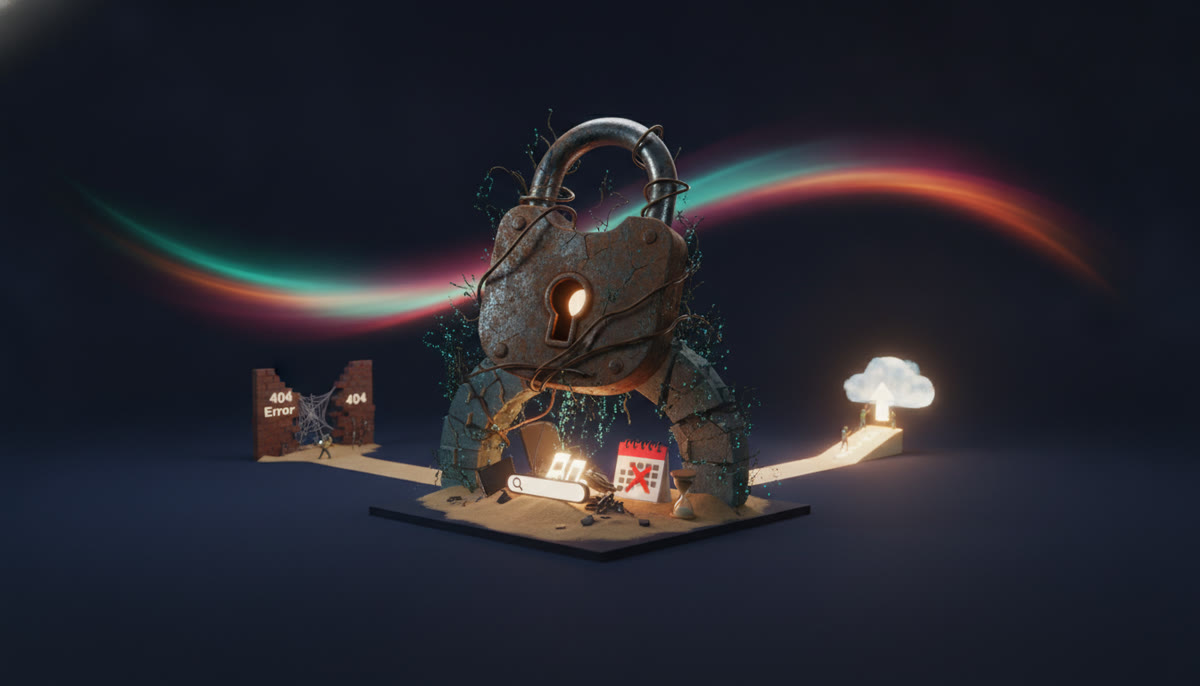
What's the Real Difference Between Cheap and Pro Websites?
The real difference isn't the price tag, it's what's actually included: a cheap website usually gets you a template with your logo dropped in, while a professional website is built around your business, your customers, and how you actually get found and paid. Both can look fine in a screenshot on the day it launches. They behave very differently once real customers start showing up.
What is the real difference between a $500 and a $5000 website?
The $500 site is almost always a template someone filled in quickly, and the $5000 site is custom work built to fit your business and your goals. At that low end you're usually getting a stock design, stock photos, and generic text that could belong to any business in any city. There's rarely anyone thinking about how your specific customers search, what they need to see before they call you, or how your site is set up so Google can find you locally.
A project like a brand new website, which starts from $1,500, includes custom design, the words and photos handled with you, local Google setup, and training so you actually know how to run what you paid for. That's the real gap. It's not the fonts or the colors, it's the thinking behind them. If you want a fuller breakdown of what pushes cost up or down, our website cost in Phoenix guide walks through it line by line.
When is a cheap website actually the right choice?
A cheap website is the right choice when you genuinely just need a placeholder, something simple to point people to while you're testing an idea, building a waitlist, or not quite ready to invest in a full site. If your business doesn't depend on the site yet, a single, focused page can do the job well. That's exactly what landing page design is for: one page, built properly, doing one job clearly, at a fraction of the cost of a full site.
Where cheap sites stop making sense is once you depend on your website to bring in business. If you're a local service business relying on Google to send you customers, or you need booking, payments, or anything that has to hold up under real traffic, the gap in reliability shows up fast. At that point, the cheap route often ends up costing more once you factor in the redesign you'll need anyway. If you're sitting on a site like that right now, our website redesign cost guide is a good place to see what fixing it later actually runs.
What do professional web designers do that templates cannot?
A template can't ask you questions, and a professional designer can, and that's most of the difference. Templates are built to be generic on purpose, so they fit as many businesses as possible without fitting any one of them particularly well. A designer looks at your actual business, what you sell, who buys it, and what's slowing your calendar down, and builds toward that specifically.
That shows up in things a template simply doesn't offer. A booking system, from $250 a month, built around your real schedule with reminders that cut no-shows. Automation for the busywork, from $750, so reminders and review requests run themselves instead of eating your evenings. Client portals and CRMs, from $2,000, so your customer records and dashboards talk to each other instead of getting retyped three times. None of that comes in a box you can install. It gets built, tested, and handed to you working.
There's also the ownership piece, which templates rarely mention. With us, files, domain, and accounts stay in your name, outright, nobody rents you your own website. And before anything gets built, you approve the strategy, the design, and the price, so there's no surprise bill waiting at the end, and the price we agree on is the price you pay. If you're not sure whether your current site needs a full rebuild or just some honest attention, our small business web design page is a good next stop.
The checkup is free either way. We'll look at what you have right now and tell you plainly what we'd do about it, even if you never hire us.